Future electric mobility ·
Blog
The future of electric mobility is shifting from early adoption to a fully integrated, mass-market ecosystem. Driven by falling battery costs, tighter environmental regulations, and rapid software integration, the industry is reshaping personal, commercial, and urban transportation globally.
Muindi Mweusi Enterprise · 2026-09-20
1. Battery Innovations & Cost Parity
- Chemistry Evolution: Advanced Lithium Iron Phosphate (LFP) and emerging sodium-ion batteries are driving down production costs for mass-market vehicles. Solid-state batteries are nearing commercial viability, offering higher energy density, faster charging, and improved safety.
- Upfront Price Parity: As pack prices continue to drop, electric vehicles (EVs) are reaching purchase price parity with internal combustion engine (ICE) vehicles in major markets, significantly improving the Total Cost of Ownership (TCO).
2. Infrastructure & Smart Energy Integration
- Ultra-Fast & Megawatt Charging: The expansion of high-power DC fast-charging networks and megawatt charging standards for heavy commercial vehicles is reducing downtime and overcoming range anxiety.
- Grid Balancing (V2G / V2H): Vehicle-to-Grid (V2G) and Vehicle-to-Home (V2H) technologies turn EVs into mobile energy storage units, feeding power back into the grid during peak demand or powering homes during outages.
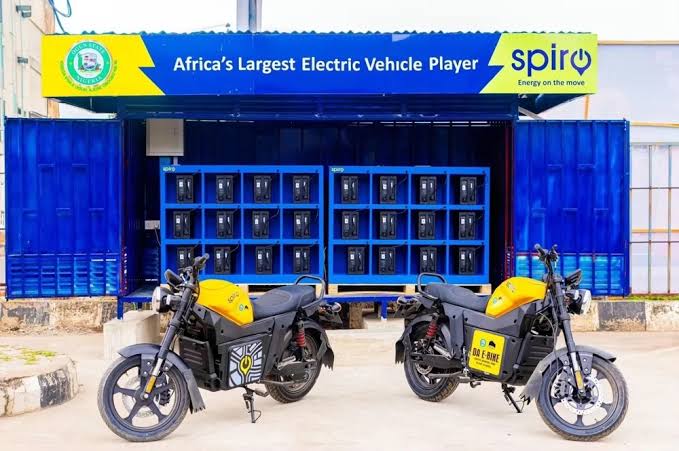
- Battery Swapping: Particularly for two/three-wheelers and commercial fleets, automated battery swapping stations offer instant power replenishing without long charging waits.
3. Diversification Beyond Passenger Cars
- Commercial & Heavy Transport: Electrification is accelerating across regional delivery vans, long-haul trucks, buses, and logistics fleets driven by corporate sustainability goals and operational cost savings.
- Micro-Mobility & Two-Wheelers: Electric motorcycles, scooters, and e-bikes dominate urban transport in emerging markets across Asia, Africa, and Latin America, driving high adoption rates.
4. Software-Defined Vehicles (SDVs) & Autonomy
- Connected Ecosystems: Modern EVs serve as connected digital platforms receiving over-the-air (OTA) updates for range optimization, battery thermal management, and autonomous driving features.
- Mobility-as-a-Service (MaaS): Electrification is pairing with autonomous ride-hailing and shared mobility fleets to optimize urban traffic and lower transport costs.
Thinking about a bike?
Cash or credit — deposits from Ksh 10,000. Talk to us.
