
The MME blog

Rider notes, news & credit explainers.

Practical reads for anyone earning on two wheels — or thinking about it.

Eco-friendly
Research & Tips on the field work

Eco-friendly

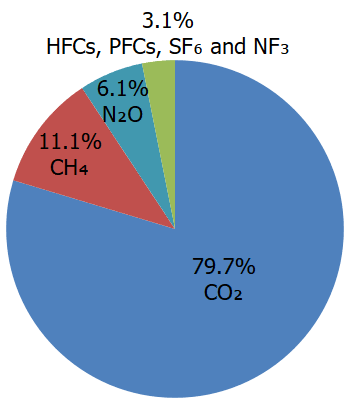
The main advantage of an electric motorbike is its environmental impact. Unlike its thermal counterpart, it doesn't emit any greenhouse gases (GHG) during use. Indeed, since it doesn't have an internal combustion engine, an electric motorbike doesn't emit carbon dioxide (CO2) or other harmful air pollutants. Its contribution to global warming and air pollution is zero (except possibly during its production). This makes the electric motorbike the perfect machine for those who care about their carbon footprint and the health of the planet. ‍ Another often-overlooked benefit of electric motorbikes is the significant reduction in noise pollution. Electric motors are much quieter than their internal combustion engine counterparts, contributing to a more pleasant sound environment, particularly in densely populated urban areas. This promotes a better quality of life for residents and also allows them to fully enjoy nature without disturbing the surrounding wildlife The main advantage of an electric motorbike is its environmental impact. Unlike its thermal counterpart, it doesn't emit any greenhouse gases (GHG) during use. Indeed, since it doesn't have an internal combustion engine, an electric motorbike doesn't emit carbon dioxide (CO2) or other harmful air pollutants. Its contribution to global warming and air pollution is zero (except possibly during its production). This makes the electric motorbike the perfect machine for those who care about their carbon footprint and the health of the planet. Another often-overlooked benefit of electric motorbikes is the significant reduction in noise pollution. Electric motors are much quieter than their internal combustion engine counterparts, contributing to a more pleasant sound environment, particularly in densely populated urban areas. This promotes a better quality of life for residents and also allows them to fully enjoy nature without disturbing the surrounding wildlife Gases that trap heat in the atmosphere are called greenhouse gases. This section provides information on emissions and removals of the main greenhouse gases to and from the atmosphere.
Muindi Mweusi Enterprise · 2026-09-18
The financial difference between operating a petrol motorcycle and an electric motorcycle comes down to daily fuel costs, routine maintenance, and upfront financing structure.
Research & Tips on the field work

The financial difference between operating a petrol motorcycle and an electric motorcycle comes down to daily fuel costs, routine maintenance, and upfront financing structure.

Daily Energy & Fuel Costs Petrol Motorcycle: Covers ~35–40 km per liter. High-mileage commercial or daily commuting riders covering 80–100 km daily spend a substantial amount on petrol every day. Daily Energy & Fuel Costs Petrol Motorcycle: Covers ~35–40 km per liter. High-mileage commercial or daily commuting riders covering 80–100 km daily spend a substantial amount on petrol every day. Electric Motorcycle (Battery Swapping / Charging): Charging at home or utilizing pay-as-you-go battery-swap networks (like Spiro or Ampersand) reduces daily energy expenses by 30% to 50% compared to equivalent petrol mileage Maintenance & Servicing Petrol: Requires frequent mechanical interventions: Monthly oil and filter changes Periodic spark plug, clutch plate, and drive belt/chain replacements Engine tuning and carburetor/injector cleaning Electric: Features an integrated direct-drive hub or mid-drive motor with zero engine oil. Maintenance is essentially reduced to regular wear-and-tear items: Brake pads and fluid Tires and suspension bushings Annual Cost Breakdown (100 km Daily / ~30,000 km per Year) Expense Category Standard Petrol Motorcycle Electric Motorcycle Est. Annual Difference Fuel / Energy High (Daily petrol fills)Low (Battery swap fees / grid charge) ~30%–50% cheaper Routine Service & Oil Frequent oil changes, filters, clutch work Brake pads and tires only ~60%–70% reduction Downtime / Lost Income Time spent in garage for engine repairs Minimal (Swap batteries in ~2 minutes) Higher active road time Electric Motorcycle (Battery Swapping / Charging): Charging at home or utilizing pay-as-you-go battery-swap networks (like Spiro or Ampersand) reduces daily energy expenses by 30% to 50% compared to equivalent petrol mileage

Muindi Mweusi Enterprise · 2026-09-18
Chat with us